

Key Takeaways
- SIF precursors are high-risk conditions, behaviors, near misses, or control failures that could reasonably result in a serious injury or fatality.
- A SIF is the actual outcome of a fatality, permanently disabling injury, or other life-altering event.
- Effective SIF prevention focuses on identifying high-potential exposures before severe harm occurs.
- Traditional injury metrics alone often fail to identify exposure to catastrophic risk.
- Strong SIF prevention programs combine leadership engagement, frontline participation, risk assessments, and technology-enabled reporting.
- Tracking high-potential events and control failures helps organizations reduce exposure to severe incidents.
According to the Bureau of Labor Statistics, 5,486 workers died from occupational injuries in 2022, the highest annual total since 2007. In many cases, these tragedies were preceded by warning signs, hazardous conditions, or control failures that increased the potential for severe injury or death.
This reality has caused many organizations to rethink how they measure safety performance. Traditional metrics such as Total Recordable Incident Rate (TRIR) remain useful, but they do not always reveal exposure to catastrophic hazards. A facility can report relatively few injuries while still exposing workers to high-severity hazards.
As a result, many organizations are placing greater emphasis on prevention of Severe Injuries and Fatalities (SIFs) through the identification of high-potential events, unsafe conditions, and failed controls before severe injuries occur.
At the center of this approach is the concept of the SIF Precursor.
What Is a SIF Precursor?
A SIF precursor is a condition, event, near miss, or behavior that could potentially result in a serious injury or fatality if circumstances had been different.
Unlike a minor safety issue that presents limited consequences, these high-potential exposures involve hazards capable of causing severe harm. In most cases, they occur because of the absence of critical controls or when those controls are ineffective, bypassed, or not consistently followed.
It is important to distinguish between a SIF and a SIF precursor.
A SIF refers to the actual outcome: a fatality, permanently disabling injury, life-altering injury, or other severe event.
A SIF precursor refers to the potential for that outcome, often described as SIF potential.
For example:
- A worker falls from height and suffers permanent paralysis. That is a SIF.
- A worker falls while wearing properly connected fall protection and avoids injury. That is a high-potential event and likely a SIF precursor.
- A suspended load drops near employees but does not strike anyone. That is also a SIF precursor because the potential outcome was fatal.
This distinction is fundamental to effective SIF prevention. Organizations that only focus on actual injuries often miss opportunities to intervene earlier when warning signs and high-risk exposures are hiding in plain sight.

Why SIF Prevention Requires a Different Approach
Many traditional safety systems were designed around reducing recordable injuries such as strains, cuts, and slips. While reducing those incidents remains important, the causes of catastrophic events are often different.
Serious injuries and fatalities are commonly associated with:
- Falls from height
- Line-of-fire exposures
- Vehicle interactions
- Confined spaces
- Electrical hazards
- Stored energy release
- Lockout/tagout failures
- Heavy equipment operations
- Process safety failures
These extreme events involve high-energy hazards capable of producing severe outcomes instantly.
A key lesson in managing SIF potential is that low injury rates do not necessarily indicate low fatality risk. An organization may experience very few recordable injuries while repeatedly exposing workers to uncontrolled high-consequence hazards.
Because of this, leading organizations increasingly track:
- High-potential near misses
- Failed or bypassed controls
- Unsafe conditions involving high energy
- Exposure frequency to critical hazards
- Procedure compliance during high-risk situations
This shift moves safety management from reactive incident response toward proactive management of SIF potential.
Common Types of SIF Precursors
Understanding common precursor categories helps organizations focus resources on the conditions most likely to produce severe outcomes.
Falls from height remain one of the leading causes of workplace fatalities across construction, manufacturing, maintenance, and telecommunications environments. Common warning signs include missing guardrails, damaged fall protection equipment, incomplete scaffolding, unsecured anchor points, or workers bypassing fall protection systems altogether. Even when no injury occurs, these exposures often indicate elevated fatality risk and demand immediate attention because of their high SIF potential.
Energy isolation failures are another frequent contributor to serious incidents. Lockout/tagout breakdowns can expose workers to electrical, hydraulic, pneumatic, mechanical, or stored energy capable of causing amputations, crushing injuries, electrocution, or death. These situations often involve incomplete isolation procedures, failure to verify zero energy, or workers bypassing established controls to save time.
Vehicle and mobile equipment interactions also create substantial risk exposure. In many workplaces, workers operate near forklifts, cranes, haul trucks, loaders, or other heavy equipment in environments with limited visibility and constant movement. Poor traffic separation, inadequate spotter procedures, distracted operation, and pedestrian access to active equipment zones all create conditions with serious injury potential.
Electrical hazards continue to appear prominently in fatality investigations as well. Work performed on energized equipment, missing PPE, inadequate arc flash analysis, improper grounding, and failure to follow electrical safe work practices can all create immediate catastrophic risk. Because electrical incidents often occur without warning, organizations with mature SIF potential management programs place heavy emphasis on verification and procedural discipline.
Confined spaces and atmospheric hazards present another high-consequence category. Incomplete atmospheric testing, inadequate ventilation, missing rescue planning, or unauthorized entry into confined spaces can rapidly expose workers to toxic atmospheres, oxygen deficiency, engulfment, or other fatal conditions.
Identifying SIF Precursors
Effective SIF prevention depends on identifying high-potential exposures before severe consequences occur.
Organizations that excel in this area typically combine structured risk assessment processes with active frontline engagement.
Daily Hazard Assessments
Daily hazard assessments help teams identify changing conditions before work begins. These assessments should evaluate:
- Task-specific hazards
- Environmental changes
- Equipment condition
- Control effectiveness
- Simultaneous operations
- Worker readiness
Rather than relying solely on periodic inspections, effective organizations make hazard recognition part of everyday operations.
Job Safety Analyses and Pre-Task Planning
Job Safety Analyses (JSAs) and pre-task risk assessments help identify where hazards and failed controls could combine to create severe outcomes. Strong assessments move beyond generic safety discussions and focus specifically on:
- Sources of hazardous energy
- Potential exposure pathways
- Critical control measures
- Verification requirements
- Emergency response considerations
This approach helps organizations evaluate SIF potential before work starts.
Near Miss Reporting
High-quality near miss reporting is one of the most valuable tools for identifying SIF potential.
Many serious events are preceded by repeated warning signs that initially caused no injury. Examples include:
- Dropped objects
- Unexpected equipment startup
- Loss of containment
- Vehicle near collisions
- Uncontrolled energy release
Organizations that aggressively investigate high-potential near misses gain valuable opportunities to correct hazards before severe harm occurs.
Frontline Worker Engagement
Workers closest to the task often identify hazards before management recognizes them. Strong SIF prevention cultures encourage employees to:
- Report unsafe conditions
- Stop work when controls fail
- Participate in hazard assessments
- Recommend corrective actions
- Communicate concerns without fear of blame
Psychological safety plays an important role in effective reporting. If workers fear punishment, many warning signs remain hidden.
Leading Indicators for SIF Prevention
Lagging indicators measure outcomes after incidents occur. Leading indicators use data to help organizations identify elevated risk before severe events happen.
Organizations focused on SIF prevention increasingly monitor indicators tied directly to exposure and control effectiveness rather than relying solely on injury rates. High-potential near miss frequency, critical safety control verification, permit compliance, safety observation quality, corrective action closure rates, and stop-work interventions all provide insight into whether safety controls are effective, ineffective, or inconsistently applied.
Many organizations also track Total SIF Exposure, which evaluates how often workers encounter situations capable of causing severe harm. This approach shifts attention away from simply counting injuries and toward understanding how frequently employees are exposed to potentially catastrophic hazards.
Training completion and frontline engagement also serve as valuable indicators. Workers who understand high-risk exposures and actively participate in reporting unsafe conditions are more likely to recognize emerging hazards before serious harm occurs.
Strong SIF prevention programs use these indicators to identify trends early, strengthen safety controls, and direct resources toward the areas of greatest potential consequence.
Managing and Controlling High-Potential Risks
Once hazards are identified, organizations must respond quickly and effectively.
The NIOSH Hierarchy of Controls remains one of the most important frameworks for SIF prevention.
Elimination and Engineering Controls
The most effective strategy is eliminating the hazard entirely. Examples include:
- Designing out fall exposure
- Automating hazardous tasks
- Isolating workers from dangerous energy
- Using remote operations
When elimination is not feasible, engineering controls provide the next highest level of protection. These may include:
- Machine guarding
- Interlocks
- Ventilation systems
- Barriers and barricades
- Automatic shutdown systems
Administrative Controls and Procedures
Administrative controls support safe work execution through:
- Permit systems
- Lockout/tagout procedures
- Traffic management plans
- Confined space programs
- Equipment inspection requirements
However, procedures alone are not enough.
Organizations must verify that controls are:
- Present
- Understood
- Functional
- Consistently followed
Verification is a core component of SIF prevention.
Root Cause Analysis
When high-potential events occur, organizations should investigate not only what happened, but determine why controls failed. Effective Root Cause Analysis (RCA) investigations focus on:
- System weaknesses
- Organizational factors
- Training gaps
- Resource constraints
- Supervision failures
- Process breakdowns
Blame-focused investigations rarely reduce SIF potential because they fail to address underlying system issues.
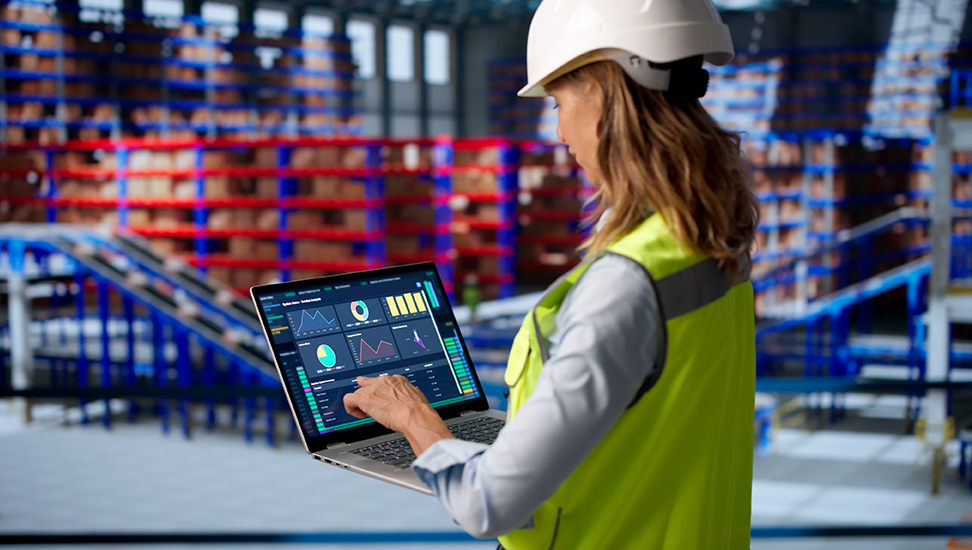
Technology and Data in SIF Prevention
Modern EHS technology platforms help organizations turn operational and safety data into actionable insights, identifying trends, improving incident reporting, and strengthening control management.
Mobile reporting tools allow workers to document hazards in real time using photos, observations, and field notes.
Centralized EHS platforms can integrate:
- Incident reports
- Inspection findings
- Training records
- Corrective actions
- Audit results
- Safety observations
This integration creates better visibility into recurring high-risk conditions.
Advanced analytics and AI-driven tools can also identify patterns associated with severe incidents, including:
- Repeated control failures
- High-risk work locations
- Frequent exposure categories
- Recurring procedural deviations
Technology alone does not create safer workplaces, but it can significantly improve visibility into SIF potential when combined with strong leadership and frontline engagement.
Building a Safety Culture That Supports SIF Prevention
Processes and technology are only effective when supported by organizational culture.
Successful SIF prevention programs require visible leadership commitment and active workforce participation.
Leadership Commitment
Leaders shape organizational priorities through the behaviors they reinforce.
When executives and operational leaders consistently discuss high-potential risk, participate in field observations, review SIF event trends, and support stop-work decisions, employees recognize that SIF prevention is treated as a core operational priority rather than a compliance exercise.
Leadership commitment also influences how quickly corrective actions are addressed and whether adequate resources are allocated for engineering controls, training, staffing, and verification activities. Organizations that successfully reduce exposure to serious incidents typically demonstrate sustained leadership involvement at every level.
Supervisor Engagement
Supervisors have a direct influence on daily work execution. Effective supervisors:
- Verify controls before work begins
- Reinforce safe work practices
- Encourage open reporting
- Address unsafe conditions immediately
- Facilitate quality pre-job briefings
Organizations that invest in supervisor capability often see substantial improvements in SIF prevention performance.
Frontline Ownership
Workers play a central role in recognizing and controlling risk. Strong organizations create environments where employees are empowered to:
- Pause work when conditions change
- Challenge unsafe decisions
- Recommend improvements
- Participate in investigations
- Share lessons learned
This shared ownership strengthens SIF prevention across all levels of the organization.

Continuous Improvement in SIF Prevention
SIF prevention is not a one-time initiative.
Organizations must continually evaluate whether controls remain effective as operations, staffing levels, equipment, production demands, efficiency pressures, and work environments change over time.
Effective continuous improvement includes reviewing trends in high-potential events, evaluating the effectiveness of critical controls, conducting routine field verification, sharing lessons learned, and incorporating frontline worker feedback into operational decisions.
As new hazards emerge or operational pressures shift, organizations must adapt their prevention strategies accordingly. What worked effectively several years ago may no longer provide adequate protection under changing conditions.
The ultimate goal is not simply improving injury statistics. Effective SIF prevention is about identifying exposure to catastrophic risk early enough to prevent life-altering events before they occur.
Conclusion
A SIF precursor is not defined by the severity of the actual outcome. It is defined by the severity of the potential outcome.
This distinction is central to understanding and managing SIF potential.
Organizations that focus only on recordable injuries often overlook the warning signs that precede catastrophic events. By identifying high-potential exposures, verifying critical controls, encouraging workforce engagement, and strengthening operational discipline, organizations can significantly reduce exposure to serious injuries and fatalities.
Effective SIF prevention requires more than compliance. It requires organizations to recognize and respond to warning signs before severe harm occurs.
When companies consistently identify and manage high-potential risk, they create safer workplaces, stronger operational performance, and better protection for the people who depend on those systems every day.
FAQ
How is a SIF different from a SIF precursor?
A SIF is the actual outcome of a fatality or life-altering injury. A SIF precursor is a high-potential condition, near miss, or failed control that could reasonably have resulted in that outcome.
Why are high-potential near misses important?
High-potential near misses reveal exposure to catastrophic hazards before severe harm occurs. Investigating them provides critical opportunities for SIF prevention.
What industries focus heavily on SIF prevention?
Industries with high-energy hazards commonly emphasize SIF prevention, including construction, manufacturing, oil and gas, utilities, transportation, chemicals, mining, and telecommunications.
What are examples of high-risk exposures?
Examples include falls from height, energized electrical work, confined space entry, heavy equipment interaction, uncontrolled stored energy, and line-of-fire hazards.
Why do some organizations miss serious risk exposure?
Many organizations focus primarily on recordable injury statistics rather than exposure to high-consequence hazards. This can hide recurring high-potential conditions that increase fatality risk.
What role does leadership play in SIF prevention?
Leadership establishes priorities, allocates resources, reinforces accountability, and helps create a safety culture where workers feel empowered to identify and address high-potential risk.